


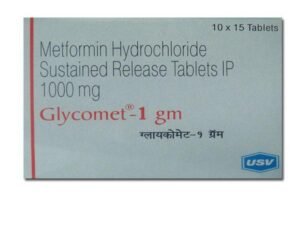

What is this medicine?
This medicine is used to control Type 2 Diabetes.
It contains two medicines:
- Glimepiride (3 mg) – helps your pancreas release more insulin.
- Metformin (850 mg) – reduces sugar made by the liver and helps the body use insulin better.
This dose is considered strong, especially because Glimepiride is at 3 mg, which is a higher strength.
How does it work?
1. Glimepiride (3 mg)
- Increases insulin release from the pancreas.
- Helps lower blood sugar after meals.
- Works quickly.
2. Metformin (850 mg)
- Lowers sugar production in the liver.
- Makes the body use insulin more effectively.
- Slows sugar absorption from food.
- Does not cause weight gain.
Together, they help control fasting sugar + post-meal sugar throughout the day.
Why do doctors prescribe this dose?
Doctors prescribe this stronger combination when:
- Blood sugar remains high with lower doses.
- Metformin + lower glimepiride (1 mg or 2 mg) is not enough.
- You need more power to control high blood sugar.
- You have both high fasting and post-meal sugar.
- To prevent long-term diabetes complications:
- Heart issues
- Kidney damage
- Nerve damage
- Eye problems
Glimepiride 3 mg is a higher dose, so it gives stronger sugar-lowering action.
How to take it
- Usually taken once or twice daily.
- Must be taken with food (very important).
- Most common timing:
- Once daily with breakfast, OR
- Breakfast + dinner
- Swallow whole with water.
Important:
Do NOT skip meals.
Glimepiride 3 mg can cause low blood sugar if you take it without eating.
Common side effects
From Glimepiride (3 mg — higher dose)
- Low blood sugar (hypoglycemia)
Symptoms:- Sweating
- Shaking
- Hunger
- Weakness
- Dizziness
- Fast heartbeat
- Mild weight gain
From Metformin (850 mg)
- Stomach upset:
- Gas
- Loose stools
- Nausea
- Stomach pain
- Metallic taste
These usually improve in a few days.
Serious but rare side effects
- Severe low blood sugar
(More common at 3 mg if food is skipped) - Lactic acidosis (very rare but serious; due to Metformin)
Symptoms:- Extreme weakness
- Very fast breathing
- Severe tiredness
- Muscle pain
→ Call doctor immediately
- Allergic reactions (rash, swelling, breathing difficulty)
Who should avoid or use with caution
- People with kidney problems
- Severe liver disease
- Heavy alcohol drinkers
- Pregnant or breastfeeding women (only if doctor approves)
- People with frequent vomiting or dehydration
- Before a CT scan with contrast dye (may need to stop temporarily)
What to monitor
- Daily blood sugar
- HbA1c every 3 months
- Kidney tests once or twice a year
- Signs of low blood sugar
- Weight changes
Important precautions
- Eat meals on time; never skip food.
- Avoid excessive alcohol.
- Stay hydrated.
- Inform doctor before surgery or contrast CT scan.
- Do not stop the medicine suddenly.

Reviews
There are no reviews yet.